
Q.
My doctor just ordered an MRI scan with contrast dye. Is the dye safe?
A. Yes, MRI contrast dye is generally considered safe for most people.
Typically made with metal called gadolinium and injected intravenously, contrast dye is used in up to 45% of the 40 million MRI procedures done each year in the United States. It works by magnetically highlighting structures such as blood vessels, tumors, or other abnormalities and making them more visible on the scan – which improves the odds of an accurate diagnosis.
Most people who undergo MRI with contrast dye don’t feel a difference, while some may notice a cool sensation, metallic taste, or brief nausea. Allergic reactions such as hives can occur, but aren’t common. In rare cases, the contrast dye can trigger a serious condition called nephrogenic systemic fibrosis in people with advanced kidney disease. Because of this, your doctor may check your kidney function before your scan. If you’re concerned, ask your doctor how using contrast dye will help in your specific case.
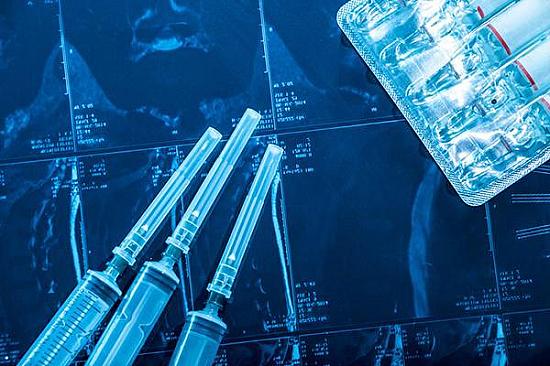
Image: © Abraksis/Getty Images
Be the first to comment on "Is MRI contrast dye safe?"