
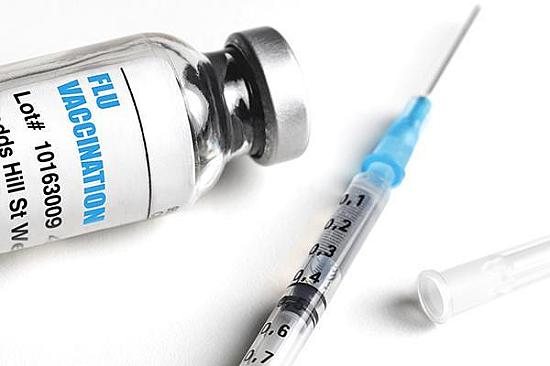
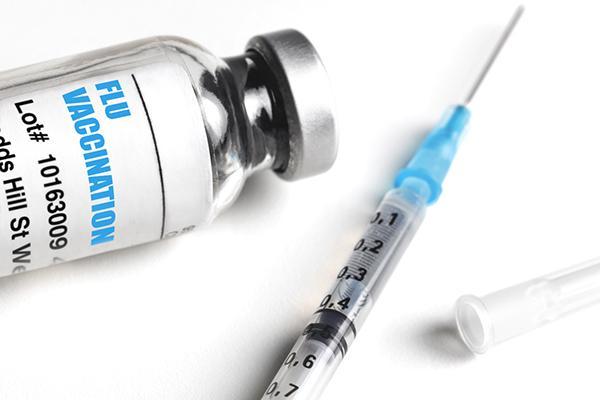
Getting a flu shot might do more than just protect you from infection: a higher-dose flu vaccine may reduce older adults’ risk of developing Alzheimer’s disease over the next several years compared with a standard dose, according to a study published April 28, 2026, in Neurology.
Researchers analyzed US insurance claims data from more than 164,000 people ages 65 and older (56% women). Nearly 121,000 had received a high-dose flu shot, while about 44,000 got a standard-dose flu vaccine. Participants were followed for up to three years after vaccination, and the researchers estimated how many developed Alzheimer’s by tracking diagnosis codes and prescriptions for Alzheimer’s medications.
The high-dose vaccine was linked to a slightly lower risk of developing Alzheimer’s in the handful of years after vaccination; researchers estimated that the higher dose prevented one case of the disease for every 185 people vaccinated. The benefit also appeared stronger in women. The study was observational, meaning it couldn’t prove that higher-dose flu shots prevented Alzheimer’s – only that an association exists. Also, the three-year follow-up period in this study is a short window for assessing the development of dementia, the study authors noted.
Image: © Peter Dazeley/Getty Images
Be the first to comment on "High-dose flu shot may lower risk of Alzheimer’s"