
Q.
I recently learned I have gallstones. Do they always need to be treated, or can some cases be safely left alone?
A. It’s natural to assume that if something abnormal like gallstones shows up, it automatically needs to be treated. But that’s not always the case.
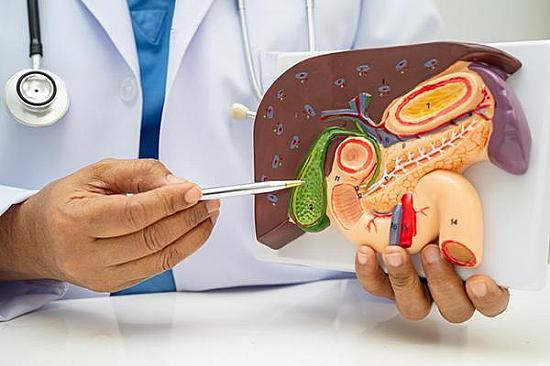
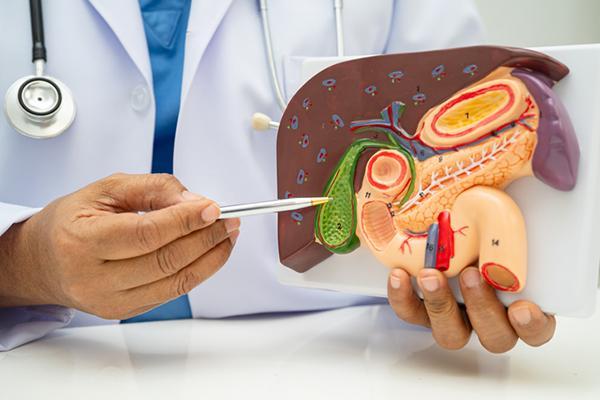
Gallstones are small, hardened deposits – usually made of cholesterol or bilirubin (a waste product from the breakdown of red blood cells) – that form in the gallbladder, which stores bile to help digest fat. Many people have “silent” gallstones that never cause symptoms and are noticed on imaging scans done for other reasons. These stones can be left alone.
Trouble begins when a gallstone blocks the flow of bile, which can cause sudden – and sometimes severe – pain in the upper right side of the abdomen, as well as fever, nausea, and vomiting. The blockage can resolve on its own, but if it doesn’t, it can lead to inflammation of the gallbladder or pancreas, as well as other complications.
Treatment, then, really depends on symptoms. If your gallstones aren’t causing problems, your doctor may take a watch-and-wait approach. But if they start triggering persistent pain or other issues, surgically removing the gallbladder is usually the prudent option.
Image: © sasirin pamai/Getty Images
Be the first to comment on "Do gallstones always need treatment?"